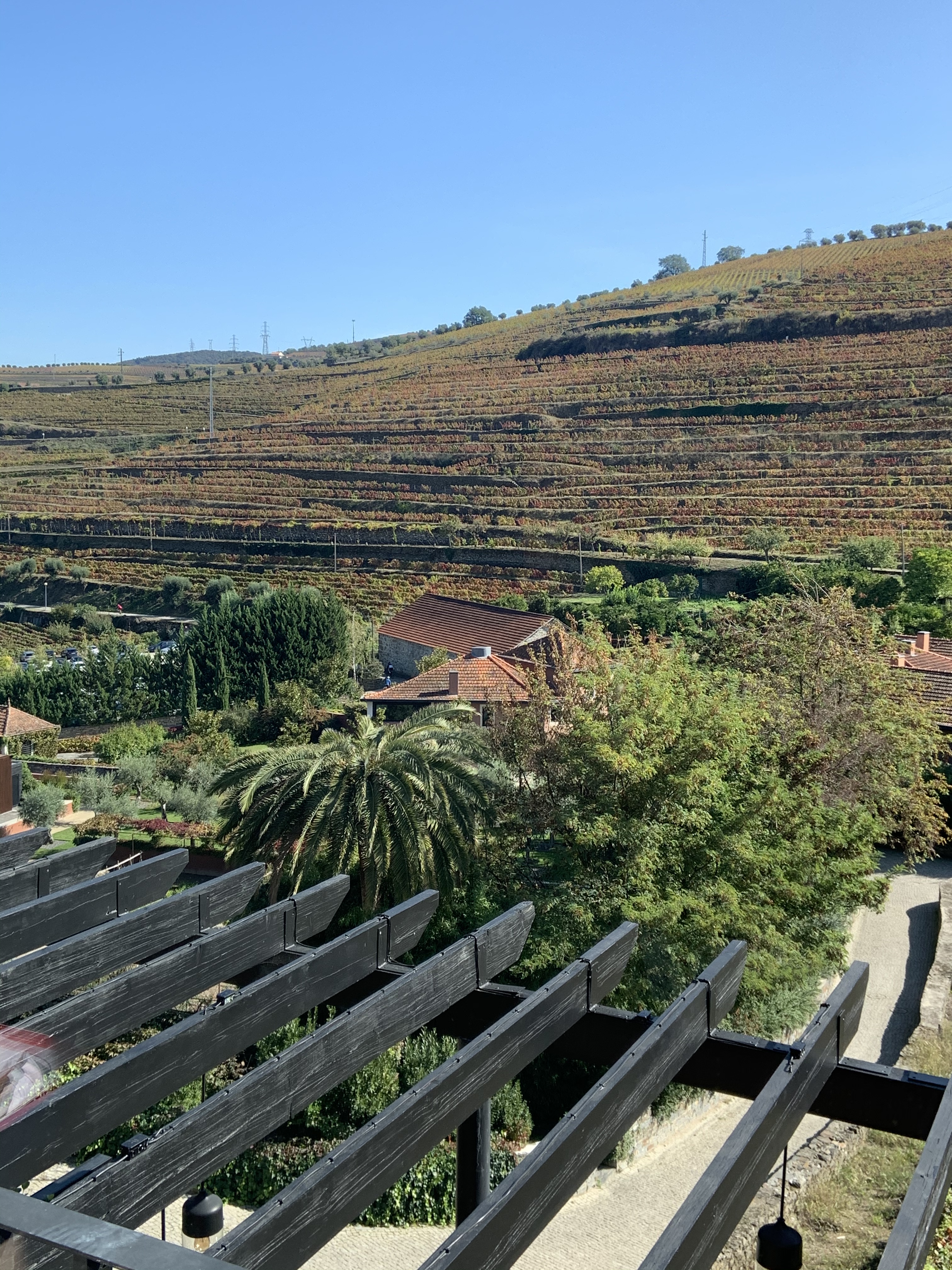
Pondering John 15:1-4.
From California to Italy to France to Portugal to Israel to New Zealand, I have visited many vineyards. Therefore, I’ve had countless opportunities to ponder chapter 15 of John’s gospel.
Jesus revelation of Himself as the true vine, me as His branch and God, the Father as the gardener has challenged and encouraged me, but mostly, it has drawn me closer to His heart. Surely Jesus wanted to prepare His disciples for the extreme persecution He knew they were going to face. But His last metaphor would teach all of us how to navigate life without His tangible presence. Jesus’ love for His devoted disciples and His love for us (the ones who would believe in Him through the message shared by disciples) is so real…so palpable…so tender.
But, before I get ahead of myself, Chapter 14 of John’s gospel ends with Jesus saying, “Come now; let us leave.” And then chapter 15 begins, “I am the true vine, and my Father is the gardener.” One minute they are leaving their Passover meal and the next minute, Jesus is giving a viticultural lesson.
For many years, I accepted this transition because of the chapter numbers. But when I ignored the divisions found in my Bible—a challenging exercise but oh, so interesting—I explored and learned that when Jesus and His disciples left the upper room and began their walk to the Garden of Gethsemane, it is very likely they saw the huge, gold symbol of a grapevine that decorated the gates of the Temple.
Why the grapevine symbol on the Temple? There are many references in the Old Testament to Israel as the vine or vineyard. This was a sacred image to the nation created and nurtured by God.
The prophet Isaiah said, “My loved one had a vineyard on a fertile hillside. He dug it up and cleared it of stones and planted it with the choicest vines. He built a watchtower in it and cut out a wine press as well. Then he looked for a crop of good grapes, but it yielded only bad fruit.” (5:1-2)
Isaiah continued with a rhetorical question asked by God. “Now you dwellers in Jerusalem and men of Judah, judge between me and my vineyard. What more could have been done for my vineyard than I have done for it? When I looked for good grapes, why did it yield only bad?” (5:3-4)
Israel was the vineyard God planted with the choicest vines. He provided everything they needed to flourish and produce fruit—fruit of justice, righteousness and love, fruit that would reveal God and His attributes to the world and draw people to His kingdom.
However, Israel was not faithful and did not yield good fruit.
Keeping that in mind, Jesus defined Himself as the true vine. He is the faithful One taking the place of Israel.
Question to ponder:
Am I producing good fruit?
 debponders